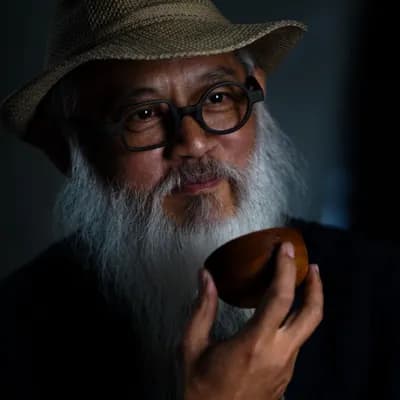



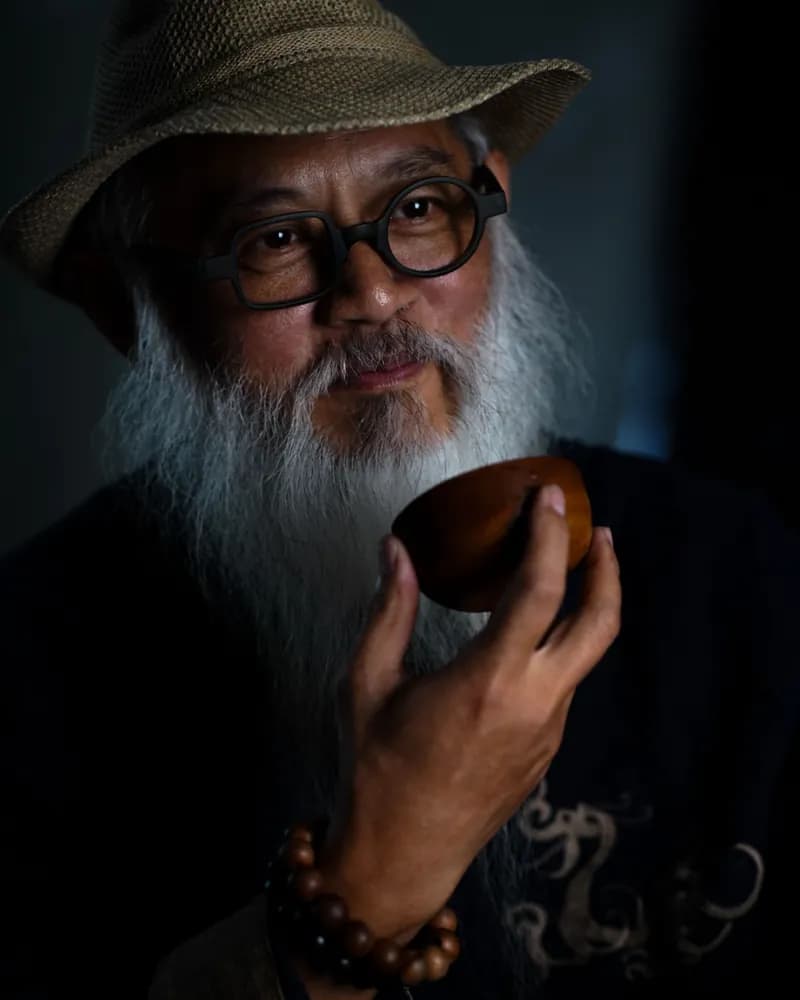
Portrait of Master Mạc Vãn, Zi Wei Dou Shu Advisor at Lá Số Việt

Tu Vi

Decoding the map of a human life

Master Mạc Vãn reads a Tu Vi (Zi Wei Dou Shu) chart the way a physician takes a pulse: locate where energy stalls, then name practical steps you can take right away.

Master Mạc VãnZi Wei Dou Shu Advisor

Master Mạc Vãn

Zi Wei Dou Shu Advisor

Discipline
Tu Vi (Zi Wei Dou Shu)
Hometown
Hành Thiện Village, Nam Định
Based in
Ho Chi Minh City, since the early 1990s
Background
Literature, Sino-Nom texts, I Ching studies
Began study
At age eighteen, from his lineage library

Background at a glance

  • Studied Tu Vi (Zi Wei Dou Shu) and the I Ching continuously since age eighteen.
  • Raised in a family preserving classical Confucian, medical, philosophical, and calendrical learning in Hành Thiện, Nam Định.
  • Former Literature teacher who later worked at a provincial cultural research institute and library.
  • Verifies borderline birth hours against past life milestones before interpreting any chart.

The Journey

A scholar of classical fate studies who has studied Tu Vi (Zi Wei Dou Shu) and the I Ching since age eighteen. He sees himself as a reader of life patterns rather than a fortune-teller.

I.The lineage bookcase

In Hành Thiện Village, Nam Định, his family kept the classical four-fold scholarly tradition of letters, medicine, principle, and calculation. At eighteen he opened the I Ching and Tu Vi manuscripts preserved by his elders and stayed with those texts from then on.

II.Traveling to test book learning

In his youth he traveled across the northern highlands and central Vietnam to study with reclusive practitioners, comparing book theory against real lives.

That habit still governs his desk today. Whenever a birth time sits near the boundary between two double-hours, he checks past life milestones first; if they do not match the chart, he declines to read.

Limestone peaks in northern Vietnam wrapped in morning mist

III.Years in the provincial library

He taught Literature and later joined a cultural research institute and provincial library, reading Sino-Nom woodblock sources and primary I Ching commentaries directly before retiring early to focus on independent research.

Heaven hands you a chart, yet how you walk the road belongs to your own two feet
Master Mạc Vãn

IV.A tea table in Saigon

In the early 1990s he settled in Ho Chi Minh City, keeping a quiet schedule away from crowds.

On his seasoned wooden tea table sit a Yixing teapot with Tân Cương tea and a worn, heavily annotated copy of Tử Vi Đẩu Số Toàn Thư translated by Vũ Tài Lục. He plots stars on an iPad, while every judgment comes from lived case experience.
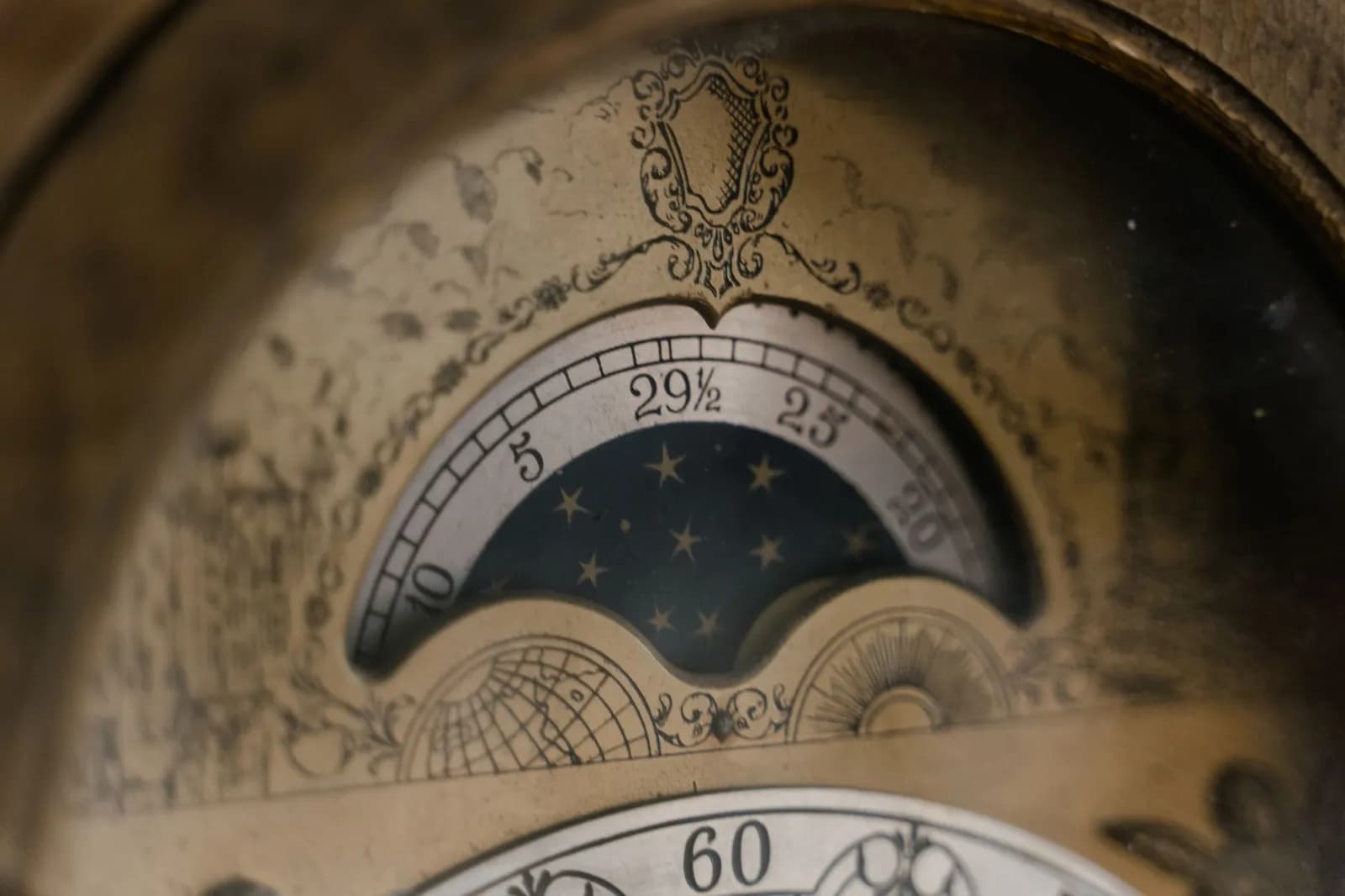
Astronomical clock dial displaying lunar phases
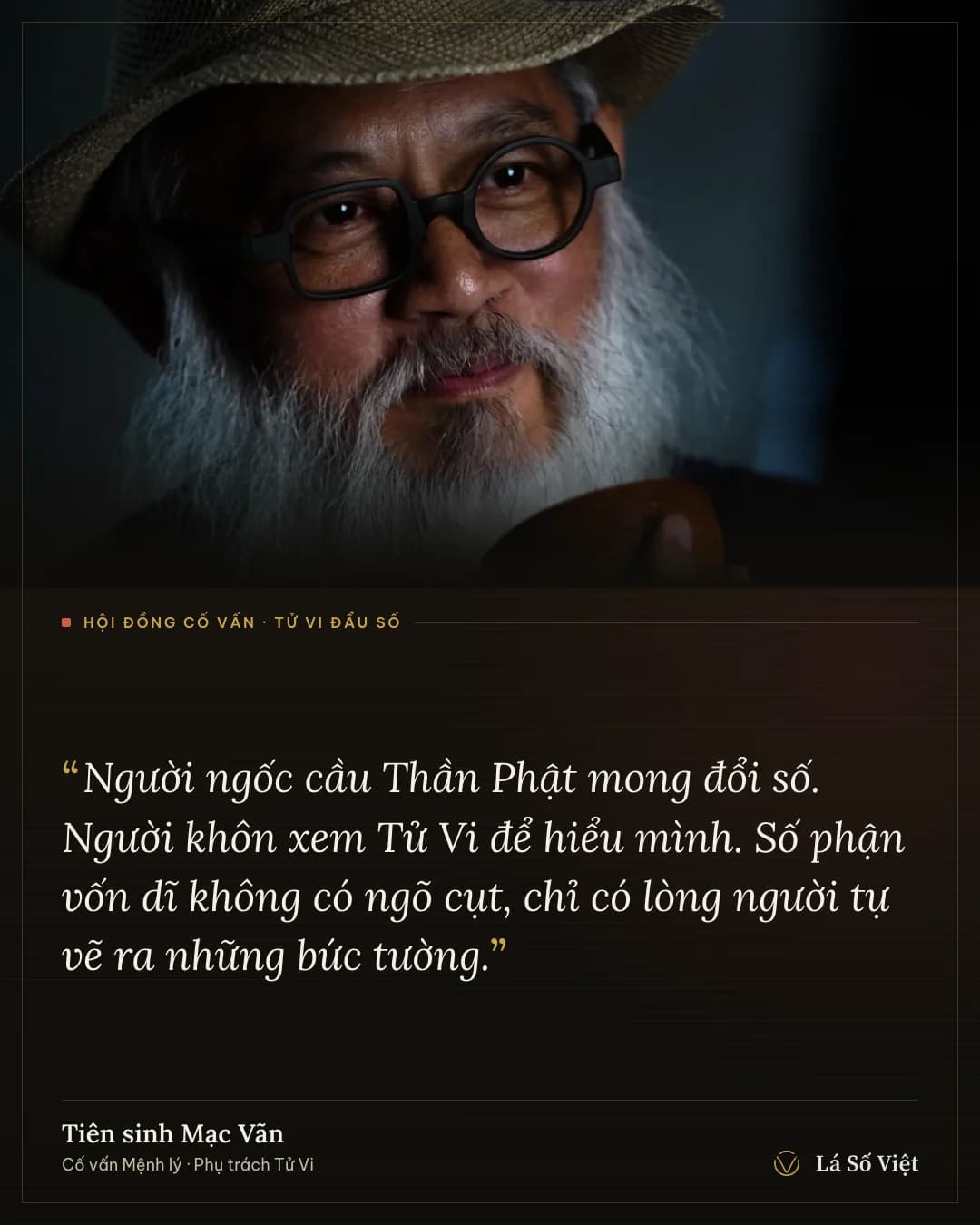
Foolish minds beg deities to swap their fate; wise readers study Tu Vi to understand themselves. Life holds no dead ends, only walls drawn inside the human heart.
Master Mạc VãnZi Wei Dou Shu Advisor

How they work

He examines which palaces shine clearly and which palaces carry friction, then recommends concrete actions: clarify written terms before a partnership, separate household finances, or time further study and career transitions. He never prescribes ritual offerings.

Perspective

Know the chart, fulfill human effort, align with timing.

  • A chart works like a weather forecast for a life: knowing a storm approaches lets you reinforce the roof rather than live in fear.
  • Human agency matters: choosing a fitting environment, timing, and personal discipline shifts how a chart plays out.
  • Reading a chart resembles clinical diagnosis: identify the bottleneck first, then adjust mindset and daily habits.

Working principles

  • When a birth hour falls near the boundary between two double-hours, verify past life milestones first; if they do not align, decline the reading.
  • Never read for gambling, short-term speculation, occult charms, or scheduling surgical birth hours to manufacture a child's chart.
  • Never recount one person's private story to another.
  • Speak plainly as a peer and never claim the title of mystic master.
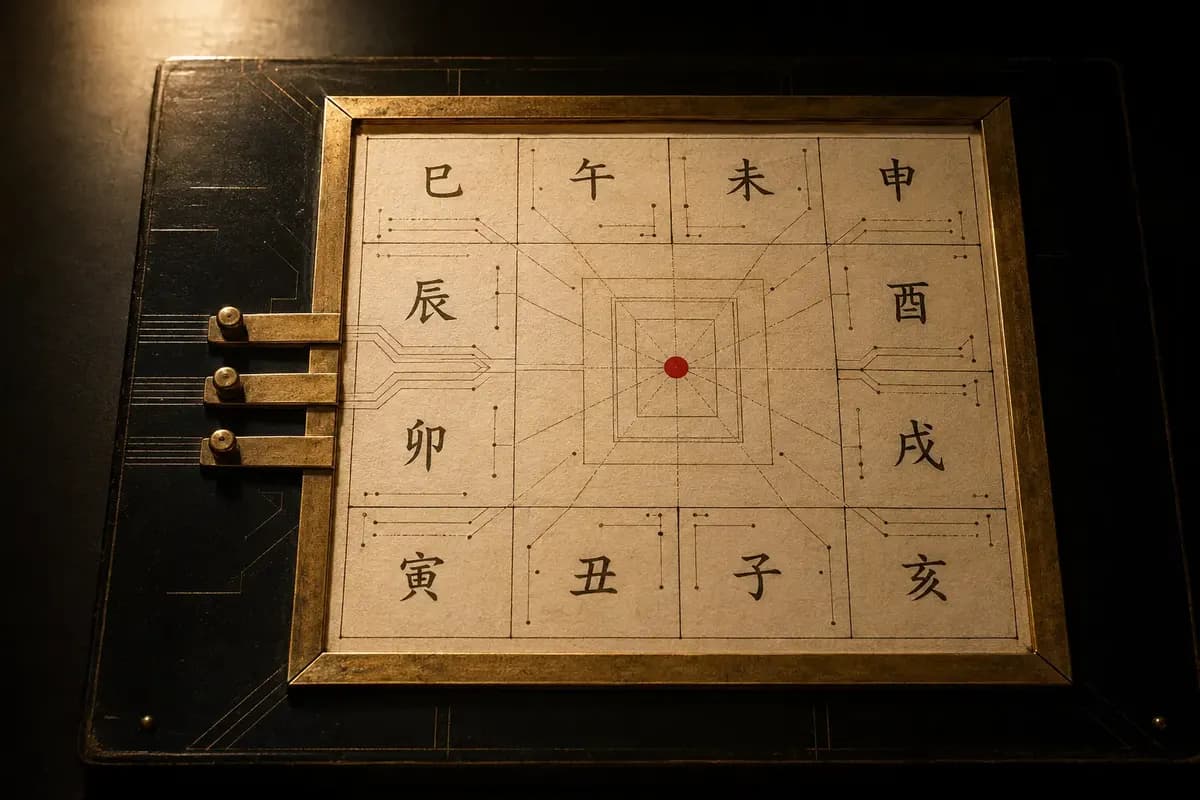
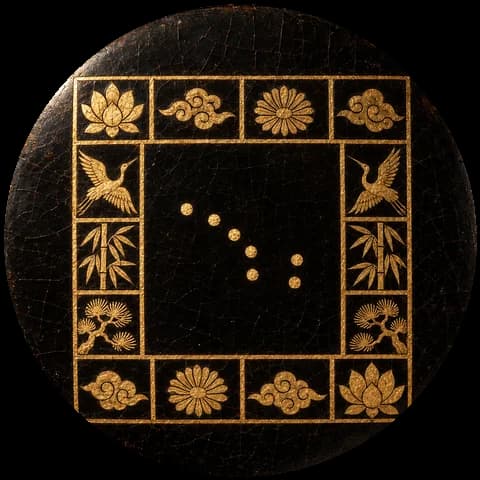
Twelve-palace layout of a traditional Tu Vi chart

Research areas

  • Tu Vi (Zi Wei Dou Shu)twelve-palace architecture, major periods, minor periods, and monthly cycles, especially bottlenecks in Career Palace and Spouse Palace.
  • Applied I Ching reflection for major life and business crossroads.
  • Bridging Eastern philosophy with behavioral habits so readers untangle stagnation on their own.

Articles by Master Mạc Vãn

All 41 articles

Generate your Tu Vi chart

Enter your birth date, hour, and birthplace to plot all twelve palaces for free.

Quote card of Master Mạc Vãn

Save this quote card as an image to share.

Fellow Advisory Board Members

Message Lá Số ViệtMessenger support icon for Lá Số Việt