What this page can establish
This article explains reading an output from the versioned implementation boundary. a careful reading begins by checking provenance, time precision, warnings, and which fields are actually present. Only then can a reader inspect a palace or transformation identifier. It does not add traditional interpretation that is absent from the repository sources.
Independent example
A chart with branch_only precision retains that limitation. The reader can compare the limitation with the displayed palace identifiers and avoid treating the result as minute-level certainty.
Figure specification
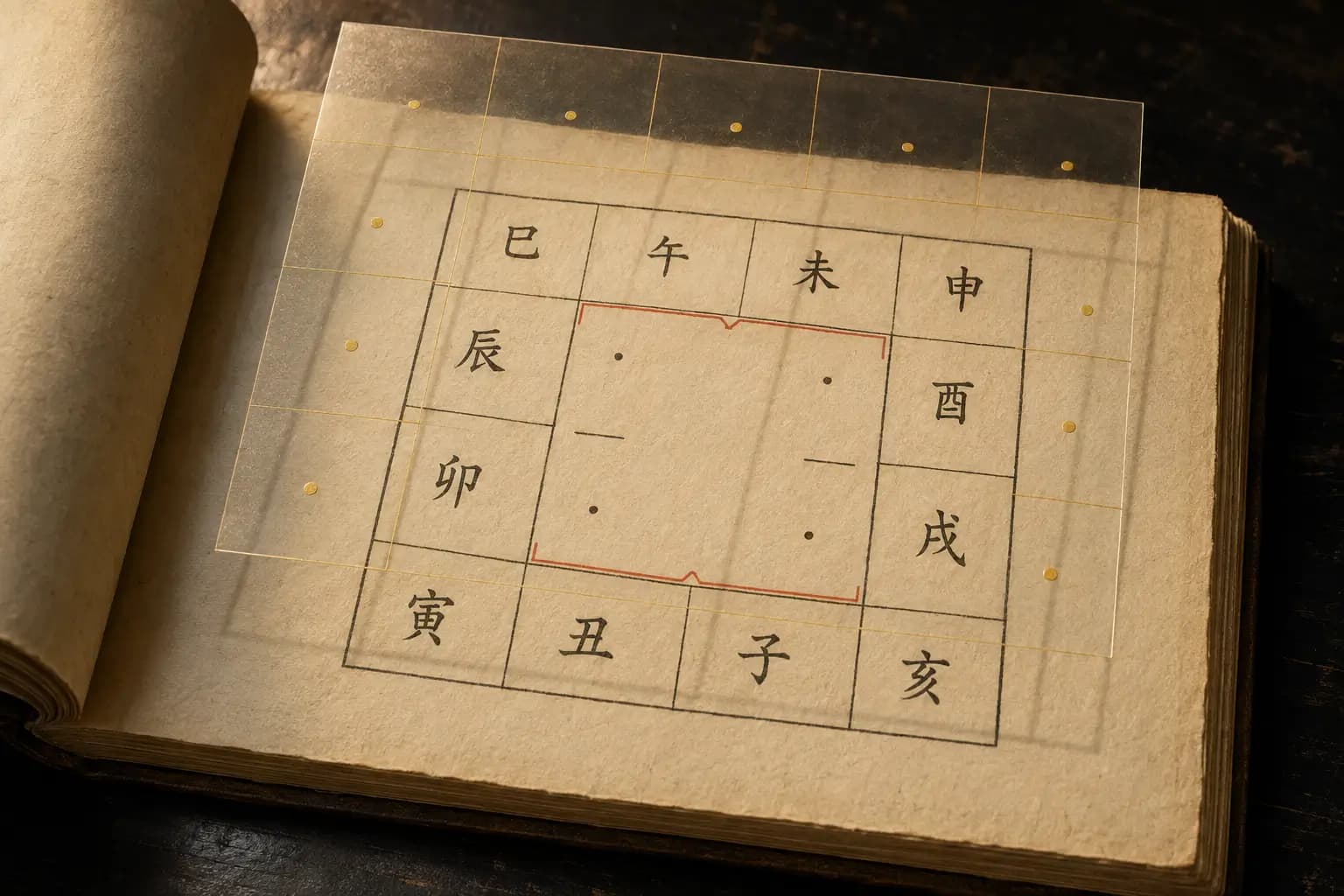
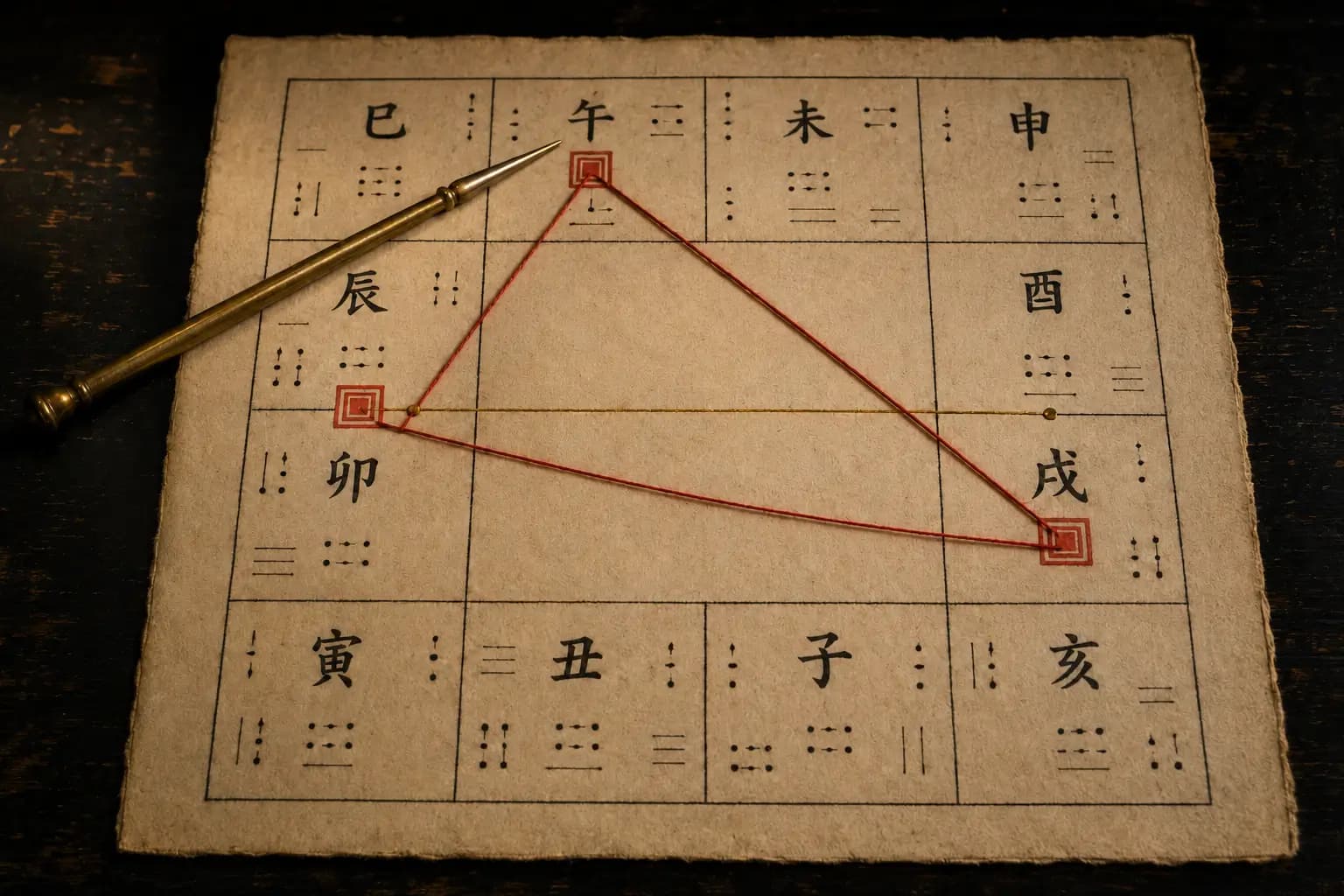
Figure 3: a reading checklist ordered as provenance, precision, warnings, palace identifiers, transformations, and evidence keys. The figure is an explanatory diagram, not a generated natal chart and not an instruction to make a personal decision.
Limits
The current application uses iztro 2.6.0 with ziwei.default, preserves input precision and warnings, and records documented gaps. It does not independently validate true-solar-time correction, every school variation, or traditional meanings outside the mapped fields.
Continue
Build a Tu Vi chart, Tu Vi knowledge hub, first related article, second related article.